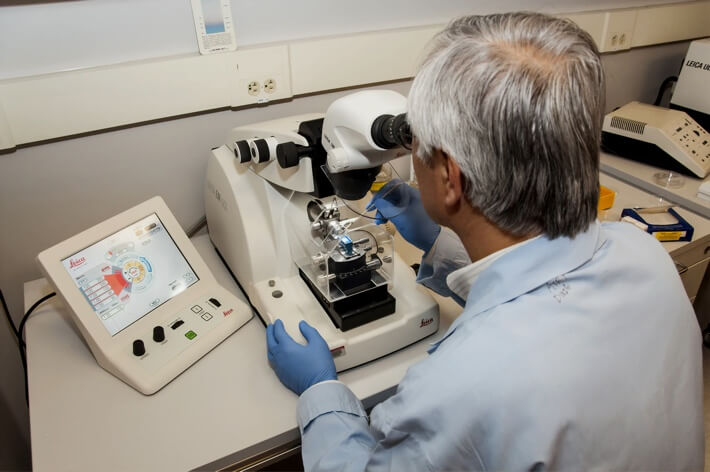

Material Testing
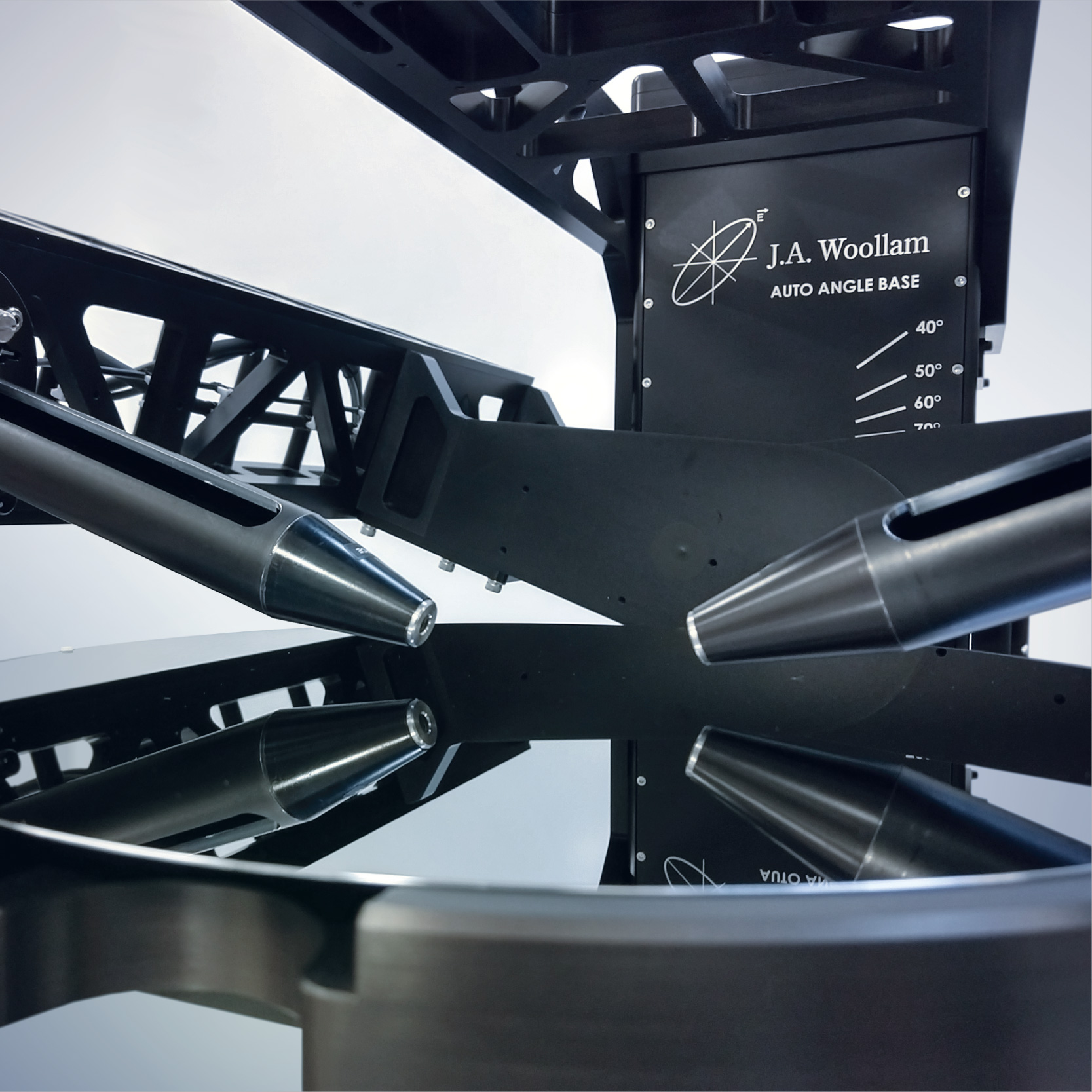
Polymers, metals, alloys, and composites used in a wide range of industries require exacting materials testing to meet specifications for mechanical response and thermal stability. In applications ranging from solar panels to optical assemblies, glasses, thin films, and coatings must be carefully selected to achieve the right optical characteristics. Whatever your application, partnering with a full-suite material testing lab will help you optimize your products from the ground up!
Covalent offers diverse mechanical analysis, thermal testing, electrical probing, and optical characterization methods for materials analysis to help you ensure your parts and products have precisely the right properties and performance.

No results found using keyword: “”
Please try to search using an alternative keyword.
Techniques Showcase
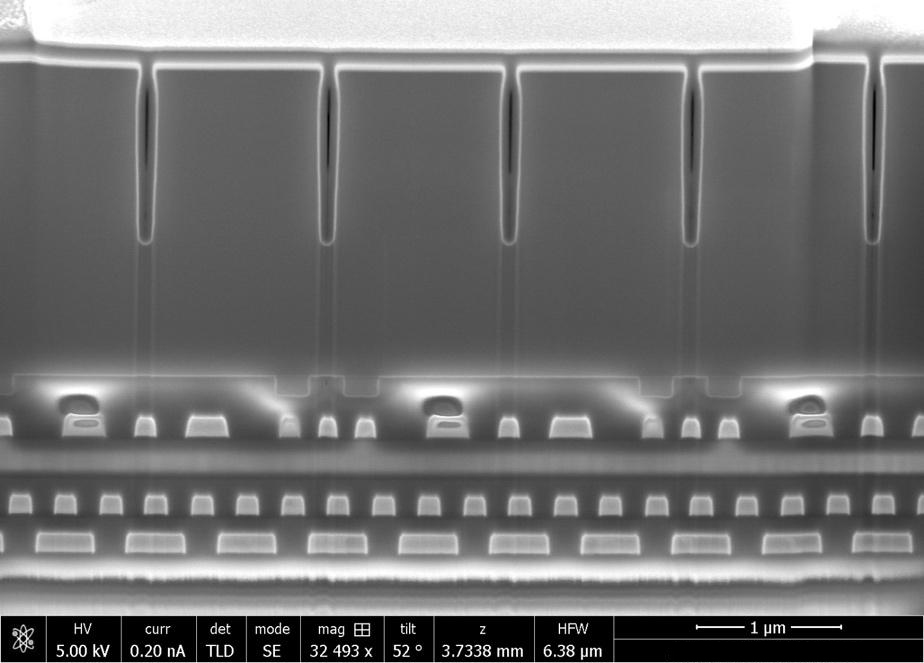
Focused Ion Beam Scanning Electron Microscopy (FIB-SEM)
In Microscopy & Imaging
Base Price: $450 per Hour
FIB-SEM systems are used to produce 2D and 3D images of surface topography, and are able to resolve...
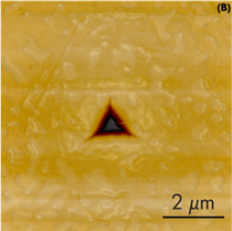
Nanoindentation (Nano-Indent)
In Material Testing,Failure Analysis
Base Price: $500 per Sample
Nanoindentation is a quasi-static mode of nanomechanical analysis used to measure hardness and reduced elastic modulus of solid...
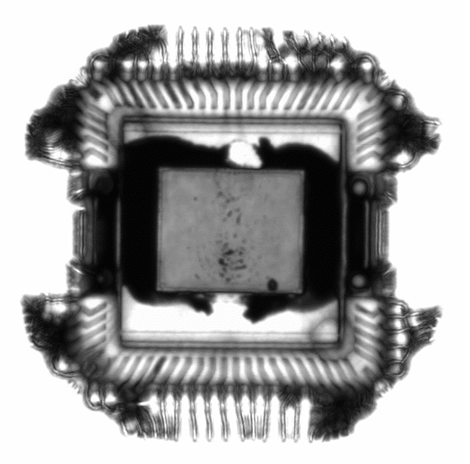
Scanning Acoustic Microscopy (SAM)
In Microscopy & Imaging,Failure Analysis
Base Price: $450 per Sample
Scanning Acoustic Microscopy (SAM) is a non-destructive and non-invasive imaging technique which uses ultrasound signals to visualize the...
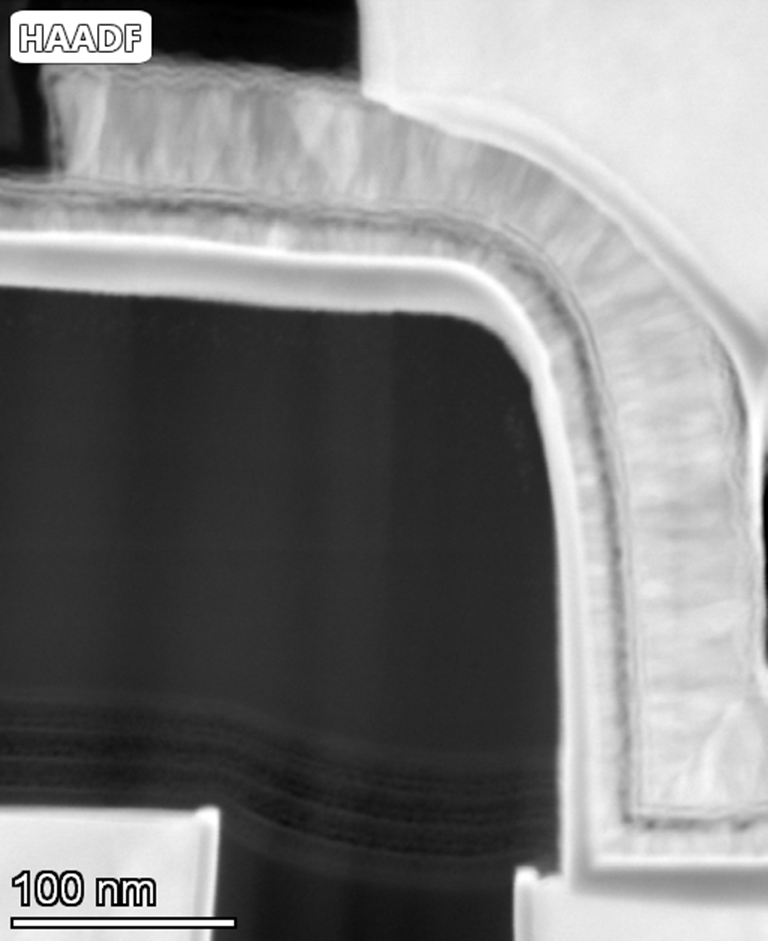
Scanning Transmission Electron Microscopy (STEM)
In Microscopy & Imaging,Particle Analysis
Base Price: $450 per Hour
STEM is a hybrid electron microscopy technique used for imaging and morphological characterization with atomic-scale resolution. In Covalent's...

Transmission Electron Microscopy (TEM)
In Microscopy & Imaging,Particle Analysis
Base Price: $450 per Sample
TEM is the highest-resolution imaging technique available today. It is used to visualize sample features with atomic-level spatial...
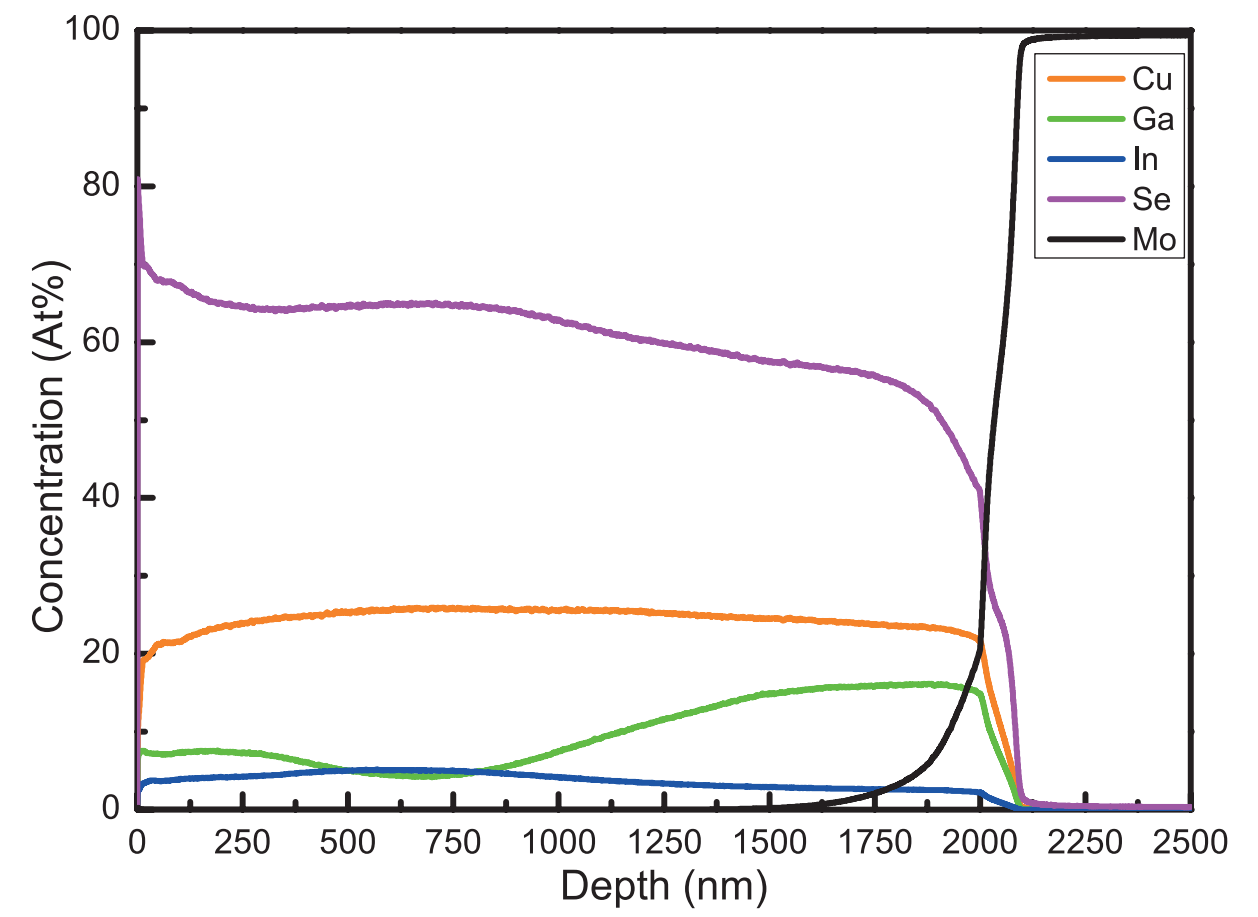
Glow Discharge Optical Emission Spectroscopy (GDOES)
In Analytical Chemistry
Base Price: $375 per Hour
Glow discharge optical emission spectroscopy (GDOES) is a quantitative, chemical analytical technique used to study the elemental composition...

Inductively Coupled Plasma Mass Spectroscopy (ICP-MS)
In Analytical Services,Analytical Chemistry
please contact us for pricing
Inductively Coupled Plasma Mass Spectroscopy (ICP-MS) is a highly sensitive chemical analysis technique which measures the elemental composition...
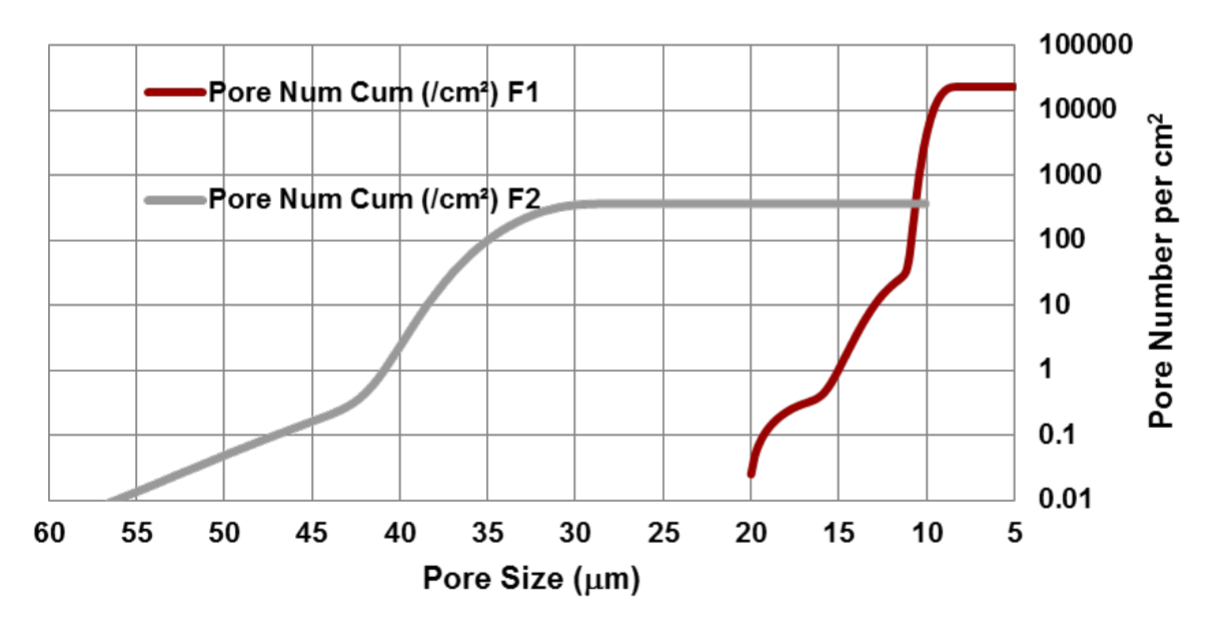
Capillary Flow Porometry (Porometry)
In Material Testing
please contact us for pricing
Capillary Flow Porometry (also called Porometry) is an optimal technique for characterizing through-pore size and size distribution.
Porosimetry
In Material Testing
Base Price: $150 per Sample
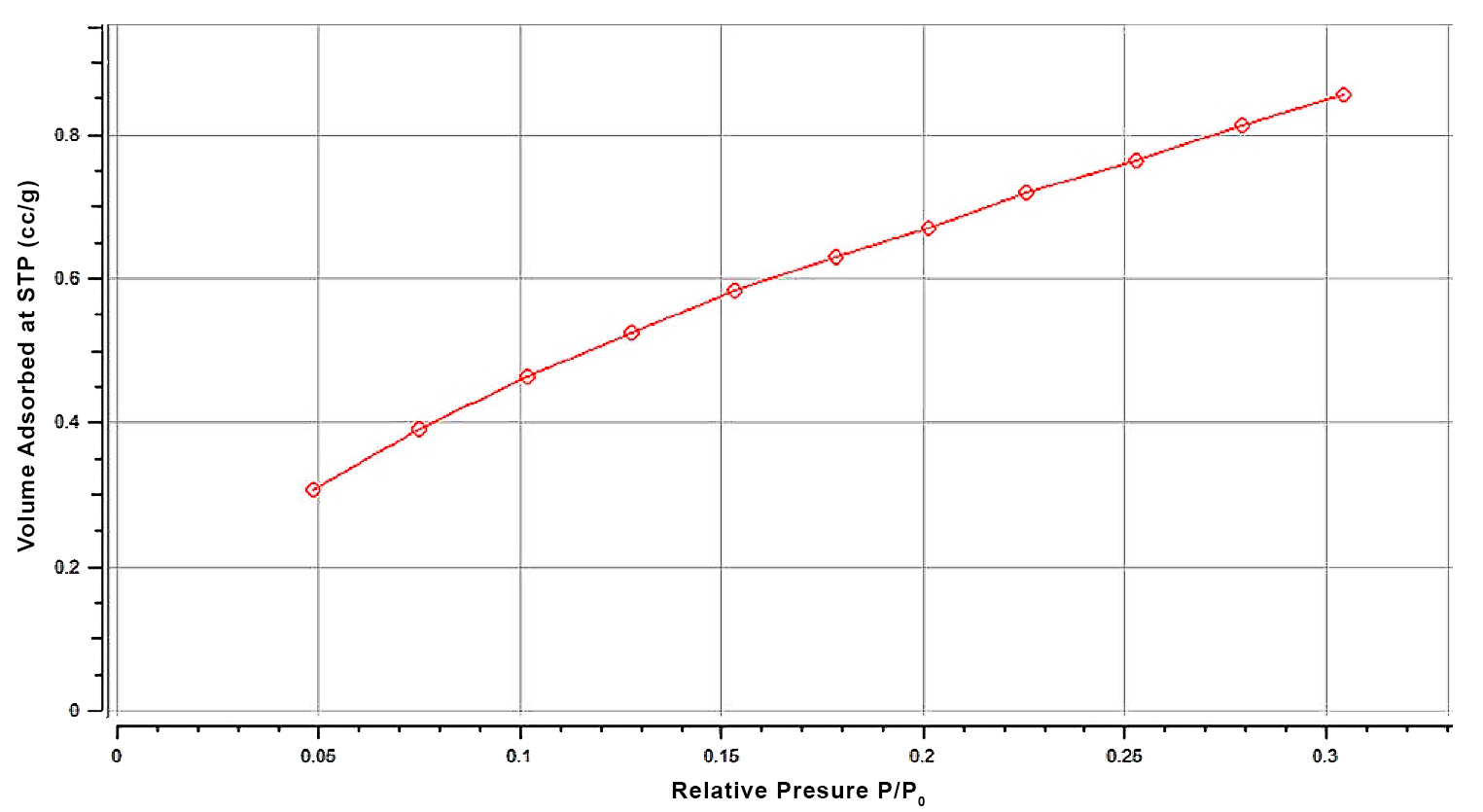
Gas Adsorption Analysis is used for measuring specific surface area, pore sizes / size distribution, and overall porosity...
Tap Density Analysis
In Material Testing
Base Price: $175 per Sample
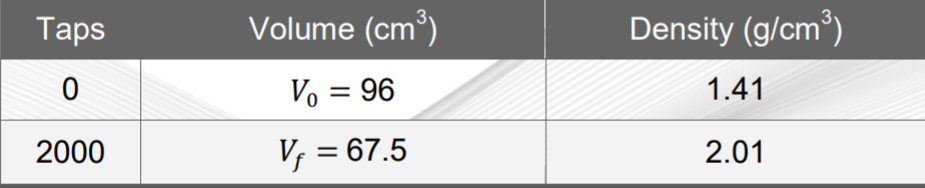
Tap Density Analysis provides fast, effective measurements of the bulk density of powders and establishes a quantitative metric...
Focused Ion Beam Scanning Electron Microscopy (FIB-SEM)
In Microscopy & Imaging
Base Price: $450 per Hour
FIB-SEM systems are used to produce 2D and 3D images of surface topography, and are able to resolve...

X-ray Computed Tomography (Micro-CT)
In Microscopy & Imaging,X-ray Analysis,Failure Analysis
Base Price: $400 per Hour
X-ray computed tomography (often referred to as Micro-CT due to its spatial resolution) is a non-contact, nondestructive 2D...
Nanoindentation (Nano-Indent)
In Material Testing,Failure Analysis
Base Price: $500 per Sample
Nanoindentation is a quasi-static mode of nanomechanical analysis used to measure hardness and reduced elastic modulus of solid...
✕
Comparison link sent successfully
✕
Please use valid email address
✕
You need to have at least 2 techniques to compare
✕
You can select maximum 5 techniques